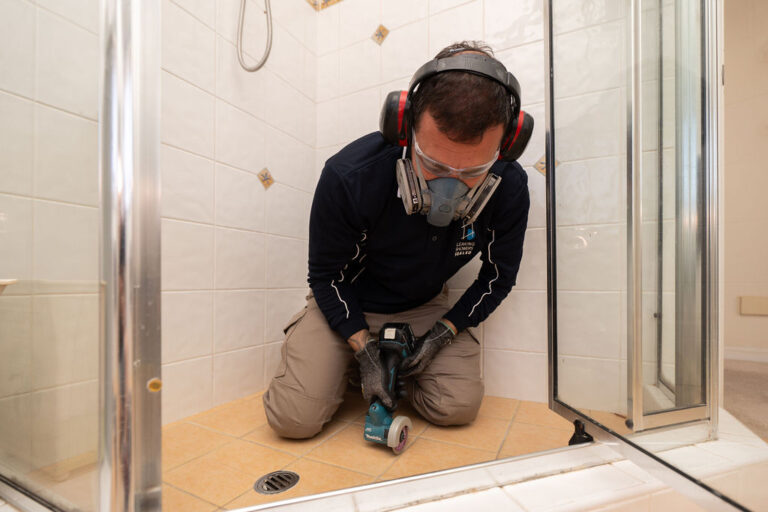
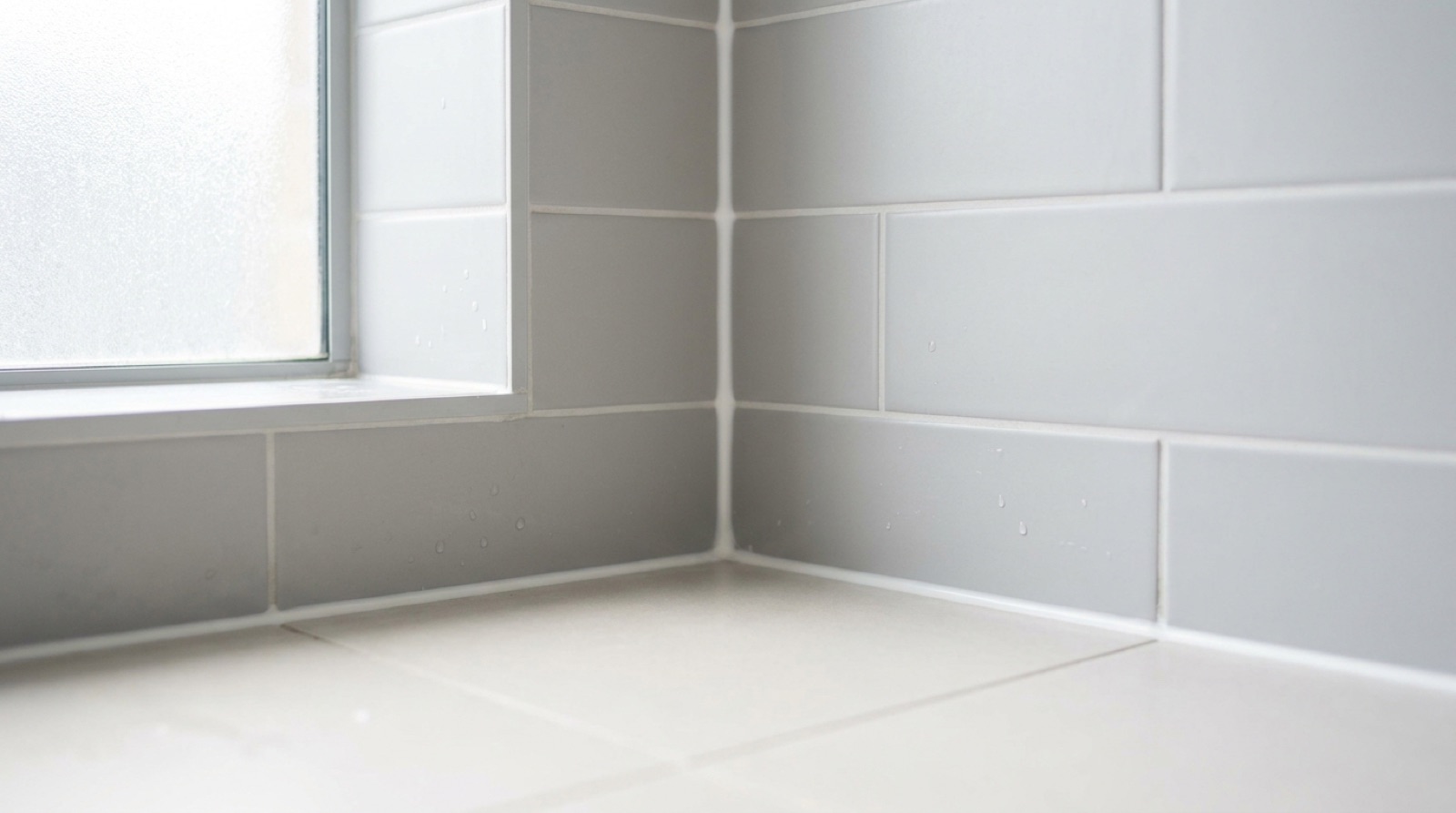
A shower reseal is a real fix when the water is getting in through failed grout or perished silicone, which is what we find in most leaking showers we look at. It only becomes a cover-up when someone runs a fresh bead of silicone over a shower that has a bigger problem underneath, such as a failed membrane behind the tiles or a leaking pipe. The shower looks tidy for a while, but the water keeps going where it was going before.
Questions like this come up on renovation forums, usually from people looking at a property with a shower that has issues. Here’s how to tell a proper shower reseal from a quick cover-up, and how to tell whether your shower needs one at all.
What a proper shower reseal and regrout involves
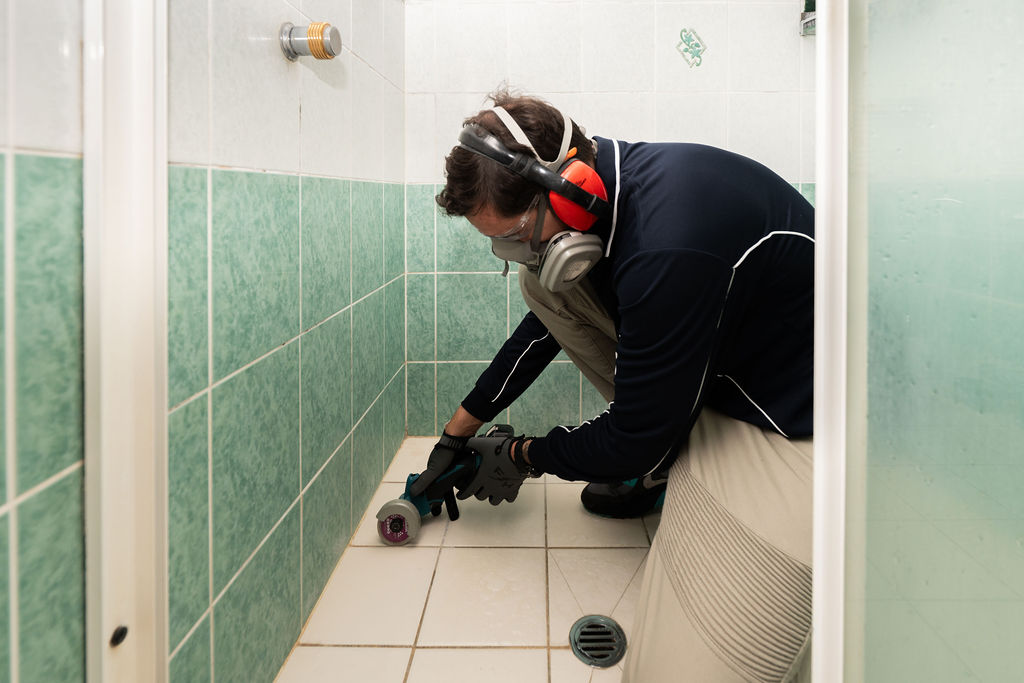
The difference between a real fix and a cover-up is mostly in what happens before any new product goes on. A proper reseal starts by cutting out all of the old silicone and cleaning the joint so the new silicone has something to bond to. Silicone that’s run over the top of old silicone, soap residue or mould doesn’t stick properly, and it tends to lift again quite quickly.
A regrout goes further. The failed grout is ground out back to the edge of the tile and replaced, and on shower work we use epoxy grout because it doesn’t soak up water the way standard cement grout does. Then the silicone goes back in at the places that move and take the most water: the corners, the wall to floor junction, around the tap body, along the screen track and around the waste. The tiles stay where they are, and if a tile has come off, it can usually be fixed back into place and regrouted during the same visit.
A cover-up is usually a new line of silicone over the old one, or over cracked grout, with nothing raked out and nothing cleaned. It can look fine on the day a property goes on the market, but it does little to stop the water.
When a shower reseal is the real fix for a leaking shower
A regrout and reseal is the right repair when the leak is coming through the surface of the shower. Grout is porous and silicone shrinks and lifts as it ages. These are the signs that usually point to a surface problem:
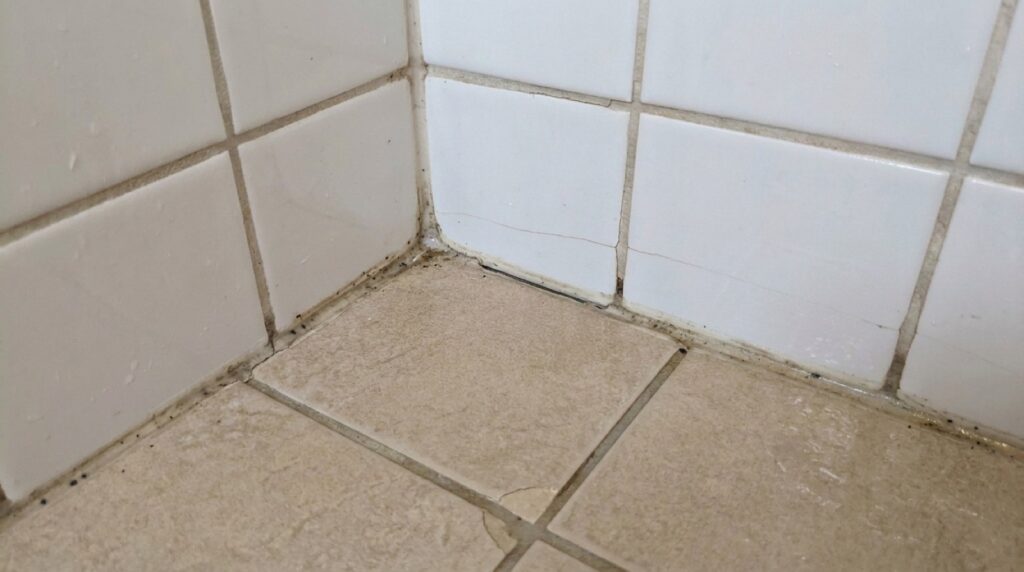
- Cracked, crumbling or missing grout: you can see gaps in the grout lines, or the grout has gone soft and dark and stays that way after cleaning.
- Mouldy, shrunken or lifting silicone: the silicone has turned black and won’t clean up, or it’s pulling away from the tile or the shower base.
- A leak at the junctions and corners: damp skirting boards just outside the shower, or marks on the wall beside the wall to floor junction, are common when the seal at that join has gone.
- One or two loose tiles: a tile that has come away while the rest of the shower sounds solid can often be fixed back in place during a regrout.
A regrout and reseal also looks after the membrane behind the tiles. When the grout and silicone fail, water gets into the tile bed and sits against the membrane between showers, which can wear it at the corners and joins, so keeping the surface sealed means the membrane only has to handle the small amount of moisture it was designed for. We’ve written more on how to stop a leaking shower without removing tiles, including how the leak gets found.
Signs your leaking shower needs more than a regrout and reseal
Some leaks aren’t coming through the grout and silicone at all. These are the showers where a reseal on its own would be a cover-up.
Signs of a failed membrane behind the shower tiles
Behind the tiles there’s normally a waterproof membrane that catches any water getting past the surface. When it has failed, these are the signs that usually show up:
- Damage that keeps going after a proper regrout and reseal: if the grout and silicone have been redone properly and the stain or damp keeps spreading, the water is likely getting through at a deeper level.
- Water coming through to the rooms below or behind: a ceiling stain under an upstairs bathroom, or damp on the far side of the shower wall, that doesn’t dry out between showers.
- Lifting or drummy tiles across a wide area: drummy tiles sound hollow when you tap them, which means the adhesive behind them has let go.
A failed membrane can only be replaced with the tiles lifted, so a regrout and reseal isn’t the right repair for it. Andreas holds NSW contractor licence 89111C, which covers waterproofing, minor maintenance and bath and shower resealing (you can check it on the NSW Fair Trading public register). That means we know the signs of a failed membrane when we see them, and we’ll tell you before you spend anything on a reseal.
Signs of a plumbing leak behind the shower
The other cause is plumbing, and timing is the useful clue. If nobody has used the shower for a few days and the damp patch is still growing, that points to a water pipe in the wall. A leak at the waste is different: it usually only shows after the shower has been used, when water is running down the drain.
When the leak is in the pipes, drains or taps, we work with a plumber to sort that part out, and the reseal can follow once the plumbing is repaired. If the shower screen is damaged or needs replacing, we work with a glazier in the same way.
Buying or renting a property with a resealed shower
Fresh silicone in a property you’re looking at isn’t a red flag by itself. An owner may have had the shower regrouted and resealed before selling simply because it makes the bathroom look cared for. If you’re inspecting a property, a few simple checks help:
- Tap the floor and wall tiles: a hollow, drummy sound across a wide area is worth asking about, even if the grout and silicone look new.
- Look outside the shower: check the skirting boards, the bottom of the door frame and the wall on the other side for swelling, flaking paint or stains.
- Check the room below an upstairs bathroom: a patch of fresh paint on the ceiling under the shower is worth asking about, because it can hide an old water stain.
- Ask what was done and whether it came with a written warranty: a full regrout and reseal and a quick bead of silicone are very different repairs, and a written warranty tells you someone is prepared to stand behind the work.
For our own work, the shower carries a 10 year grout warranty plus a 7 year workmanship warranty, both in writing. A pre-purchase building inspection is also worth having, because a leaking shower is one of the things a building inspector looks for. If you’re renting and the shower has started leaking, let your property manager know early, because a small leak at the grout or silicone is far easier to repair before the water has had months to spread.
Regrouting and resealing to put off a bathroom renovation
If the membrane is sound and the leak is coming through the surface, regrouting and resealing can make the shower watertight again and give you a couple more years to save up for a renovation, and some homeowners find they can avoid a full bathroom renovation altogether. If you want to stop a leaking shower until you can afford a new bathroom, get the grout and silicone fixed properly, keep an eye on the signs above. There’s more on this in our article on whether regrouting a shower is a budget renovation.
Shower regrouting and resealing for real estate agents and landlords
If you’re an agent getting a home ready for sale, a regrout, reseal and deep clean of the tiles and grout is a pre-sale refresh that makes the bathroom present better, and because the old grout and silicone are actually replaced, the bathroom still holds up when a buyer’s inspector tests it. For landlords and property managers, the time between tenants is a good window for a partial bathroom makeover. There’s more detail on our page for real estate agents and property managers.
Common questions about a shower reseal and regrout
What does the shower reseal warranty cover?
The 10 years covers the Ardex epoxy grout and silicone we use, and the 7 years covers our work. The warranty is written on your quote once we know the shower can be sealed properly.
How soon can I use my shower after a reseal?
You can use your shower again within 24 hours, which gives the new grout and silicone time to set.
Is a shower reseal a good idea for a rental between tenants?
Yes, it’s a good time to do it, because the bathroom is empty and the shower can be regrouted, resealed and deep cleaned before the next tenant moves in.
Do you remove the tiles for a shower reseal?
No. A shower reseal and regrout is done with the tiles left in place. We cut out the old silicone, grind back the old grout, regrout with epoxy grout and reseal the joints. If a tile has come loose or fallen off, we can fix it back and regrout it in the same visit.
Book a free quote for your leaking shower
If your shower is leaking, the silicone has gone black, or you’re getting a property ready for sale or a new tenant, contact us to book a free quote. Tell us what you’ve noticed and where, and we’ll explain whether a regrout and reseal is the right repair for your shower.